
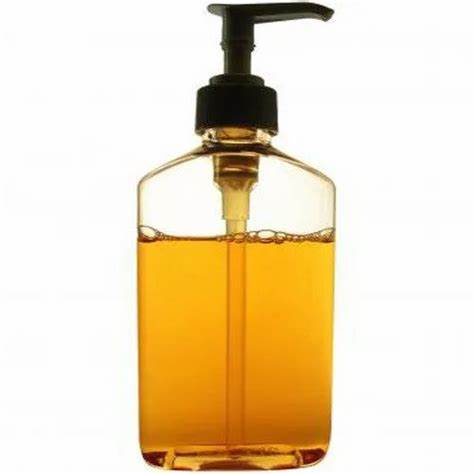
The Benefits of Natural Soaps: Why You Should Make the Switch
In today’s world, where consumers are becoming increasingly aware of the ingredients in their everyday products, natural soaps are gaining popularity. More people are turning away from commercial soaps, which often contain harsh chemicals, artificial fragrances, and synthetic detergents, in favor of handmade, natural alternatives.
Natural soaps are made from organic oils, butter, herbs, essential oils, and other plant-based ingredients that nourish the skin while providing gentle cleansing. Unlike mass-produced soaps that can strip the skin of its natural oils and lead to irritation, natural soaps work harmoniously with the body’s natural balance.
In this article, we will explore the many benefits of using natural soaps and why you should consider making the switch.
1. Natural Ingredients that Nourish Your Skin
One of the biggest advantages of using natural soaps is their pure and wholesome ingredients. Unlike conventional soaps, which contain synthetic compounds, natural soaps are made from plant-based ingredients that benefit the skin. Some of the key ingredients commonly found in natural soaps include:
-
Olive Oil – Rich in antioxidants and vitamins, olive oil helps to keep skin hydrated and soft.
-
Coconut Oil – Known for its antibacterial and antifungal properties, coconut oil provides deep cleansing and nourishment.
-
Shea Butter – Packed with vitamins A and E, shea butter is excellent for moisturizing and soothing dry or irritated skin.
-
Essential Oils – Extracted from plants, essential oils offer therapeutic properties and natural fragrance.
-
Herbs and Botanicals – Ingredients like lavender, chamomile, and tea tree provide anti-inflammatory and healing benefits.
Because natural soaps contain these nutrient-rich ingredients, they can help improve skin texture, reduce irritation, and prevent dryness.
2. Free from Harsh Chemicals and Toxins
Most commercial soaps contain a long list of harmful chemicals that can be damaging to both the skin and overall health. Some of the most common ingredients in synthetic soaps include:
-
Sodium Lauryl Sulfate (SLS) & Sodium Laureth Sulfate (SLES) – These detergents create lather but can strip the skin of natural oils, leading to dryness and irritation.
-
Parabens – Artificial preservatives that have been linked to hormone disruption.
-
Phthalates – Chemicals used in fragrances that may have harmful effects on the endocrine system.
-
Artificial Dyes and Fragrances – Synthetic fragrances can cause allergic reactions and skin sensitivities.
Natural soaps, on the other hand, are free from synthetic additives. They rely on plant-based cleansers and essential oils to provide a luxurious and effective cleansing experience.
3. Gentle and Suitable for All Skin Types
People with sensitive skin, eczema, psoriasis, or acne often struggle to find suitable skincare products. Many mass-produced soaps contain irritants that exacerbate these conditions.
Natural soaps, especially those made with gentle oils like olive oil and almond oil, are ideal for all skin types, including sensitive skin. Because they contain no synthetic additives, they are less likely to cause allergic reactions or irritation.
Some natural soaps are also formulated with soothing ingredients like:
-
Oatmeal – Helps to exfoliate and soothe itchy or inflamed skin.
-
Aloe Vera – Known for its calming and hydrating properties.
-
Calendula – A natural anti-inflammatory that helps with wound healing and skin repair.
If you struggle with acne-prone or oily skin, natural soaps made with activated charcoal, tea tree oil, or clay can help absorb excess oil and cleanse pores without over-drying.
4. Environmentally Friendly and Biodegradable
The impact of conventional soap production on the environment is often overlooked. Many mass-produced soaps contain chemicals that can be harmful when they enter water systems, affecting aquatic life and ecosystems.
Natural soaps are:
-
Biodegradable – They break down easily without leaving toxic residues.
-
Made with Sustainable Ingredients – Many handmade soap makers source organic and sustainably harvested oils.
-
Free from Plastic Microbeads – Some exfoliating soaps contain plastic microbeads that pollute oceans, but natural soaps use biodegradable exfoliants like ground coffee, seeds, or oats.
By switching to natural soaps, you contribute to reducing pollution and supporting eco-friendly practices.
5. Cruelty-Free and Ethical
Many large-scale commercial soap brands test their products on animals or use ingredients derived from animal by-products. In contrast, most natural soap brands prioritize ethical and cruelty-free production.
Most natural soaps are:
-
Not tested on animals – They follow ethical standards in manufacturing.
-
Vegan-friendly – They are free from animal fats and use plant-based oils instead.
-
Handcrafted by Small Businesses – Supporting local artisans and small-scale producers helps sustain ethical business practices.
By choosing natural soaps, you support a compassionate and cruelty-free industry.
6. Naturally Moisturizing and Hydrating
Unlike commercial soaps that often strip away moisture, natural soaps contain glycerin, a powerful humectant that helps to retain skin’s natural moisture. Glycerin is a by-product of the soap-making process but is often removed from commercial soaps to be used in other cosmetic products.
Because natural soaps retain their glycerin content, they:
-
Hydrate the skin naturally
-
Prevent dryness and flaking
-
Create a protective barrier against harsh weather
For individuals who struggle with dry skin, switching to a natural soap can make a huge difference in maintaining soft, supple skin.
7. Rich in Antioxidants and Skin-Loving Nutrients
The plant-based oils and essential oils used in natural soaps provide the skin with antioxidants and vitamins that promote a healthy glow.
-
Vitamin E – Found in many oils, helps fight free radicals and prevent premature aging.
-
Vitamin A – Helps with cell regeneration and reducing signs of aging.
-
Fatty Acids – Help strengthen the skin’s natural barrier and keep it hydrated.
By using natural soaps, you are feeding your skin with essential nutrients rather than stripping it with harsh chemicals.
8. Variety of Options to Suit Your Needs
Natural soaps come in a wide range of formulations to suit different skin needs and preferences. Whether you’re looking for an exfoliating, moisturizing, or soothing soap, there is a natural soap option for you.
Some popular types of natural soaps include:
-
Exfoliating Soaps – Containing oatmeal, coffee grounds, or poppy seeds to gently remove dead skin cells.
-
Moisturizing Soaps – Made with shea butter, honey, or avocado oil to deeply hydrate.
-
Therapeutic Soaps – Infused with essential oils like lavender or peppermint for aromatherapy benefits.
This variety allows you to customize your skincare routine based on your specific needs.
9. Handmade with Care and Love
Most natural soaps are handmade by artisans who put great care into selecting high-quality ingredients and crafting unique blends. Unlike commercial soaps that are mass-produced, handmade soaps offer a personal touch and higher quality control.
Supporting handmade soap makers means:
-
Encouraging traditional craftsmanship
-
Helping small businesses thrive
-
Getting a one-of-a-kind product with natural variations in color, texture, and scent
This makes using natural soap a more luxurious and meaningful experience.
10. Long-Term Benefits for Skin Health
When switching to natural soaps, many people notice significant improvements in their skin over time. Benefits include:
-
Less irritation and redness
-
Better hydration and smoother texture
-
Reduced breakouts and acne
-
Overall healthier, more radiant skin
Unlike commercial soaps that provide a temporary clean feeling but may lead to long-term damage, natural soaps nourish and protect the skin in the long run.
Final Thoughts: Why You Should Switch to Natural Soaps
Choosing natural soaps is a simple yet impactful decision that benefits both your skin and the environment. With their pure ingredients, nourishing properties, and ethical production, natural soaps offer a superior alternative to synthetic, chemical-laden commercial soaps.
If you want healthier, happier skin while supporting sustainable and cruelty-free practices, making the switch to natural soaps is a choice you won’t regret!
Ready to try natural soaps? Start by exploring handcrafted options from local artisans or trusted organic brands and experience the difference for yourself!
(loadposition Temu)